
Data story
How to guess the weight of anything: lessons from 5,835 real guesses
5,835 real guesses show where weight intuition fails: a bat judged 24 times too heavy, a whale heart 6 times too light. Here's what works better.

Show a group of people a small bat, ask what it weighs, and the middle of their guesses lands around 470 g (1 lb), roughly a soccer ball. The bat weighs 20 g (0.71 oz), less than an AA battery. Show them a blue whale's heart and the error flips: a typical guess of 30 kg (66 lb), about one Labrador, against a real 180 kg (397 lb).
Those numbers come from How Heavy?, our weight-guessing game. As of 30 October 2026, players had locked in 5,835 guesses on 232 objects. We use only the 163 objects with at least 20 guesses, 4,774 guesses in total, and for each one we report the median: sort all the guesses from lightest to heaviest and take the one in the middle. Half were lighter, half heavier, and a single absurd answer can't move it. This is what players of a small web game guessed, not a representative study, and 20 guesses is a small crowd. It is still enough to see where people go wrong in the same direction.
The most useful pattern is a matching game. Most of the misses below have a twin: an object of nearly the same weight that the same crowd got almost exactly right. Good guesses seem to come less from feeling a weight than from knowing something comparable, and you can do that on purpose.
Try it before you read on: guess five objects →
| Object | Catalog anchor | Compared with |
|---|---|---|
| Bat | 20 g (0.71 oz) | Alkaline AA battery · 23 g (0.81 oz) |
| Regulation badminton shuttlecock | 5 g (0.18 oz) | US nickel · 5 g (0.18 oz) |
| Watermelon | 9 kg (20 lb) | Koala · 8.5 kg (19 lb) |
| Carving pumpkin | 6.5 kg (14 lb) | Bowling ball · 6.8 kg (15 lb) |
| One liter of gold | 19 kg (43 lb) | Olympic barbell (bar only) · 20 kg (44 lb) |
| Slate pool table | 320 kg (705 lb) | Upright piano · 220 kg (485 lb) |
| Blue whale heart | 180 kg (397 lb) | Motorcycle · 200 kg (441 lb) |
Bat vs. AA battery: don't let the wings vote
A bat and an AA battery weigh almost the same: 20 g (0.71 oz) in our catalog against 23 g (0.81 oz). The crowd's median for the battery, from 32 guesses, was about 21 g (0.74 oz). For the bat, from 22 guesses, it was about 470 g (1 lb), nearly 24 times too heavy. Twenty-one of those 22 guesses were too high, and the last landed right beside the true weight.
The picture gives no scale, and wings make a bat read as a bigger animal than it is. A noctule, one of Britain's largest species, spans 320 to 400 mm yet weighs just 18 to 40 g (0.63 to 1.4 oz). To be fair to the crowd, bats run from 2 g (0.07 oz) to 1,500 g (3.3 lb), so 470 g (1 lb) does describe a real bat, just a big fruit bat rather than the small one in our photo. Other small flyers fared the same: a 3 g (0.11 oz) hummingbird drew about 47 g (1.7 oz), a 30 g (1.1 oz) sparrow about 210 g (7.4 oz). Why this happens is our reading, not a measured result. The rule: for a small animal, think in coins and batteries before you think in fruit.
Bat: 20 g (0.71 oz) Alkaline AA battery: 23 g (0.81 oz)
Sources: Bat Conservation Trust , Animal Diversity Web , Energizer , Animal Diversity Web , Cornell Lab of Ornithology
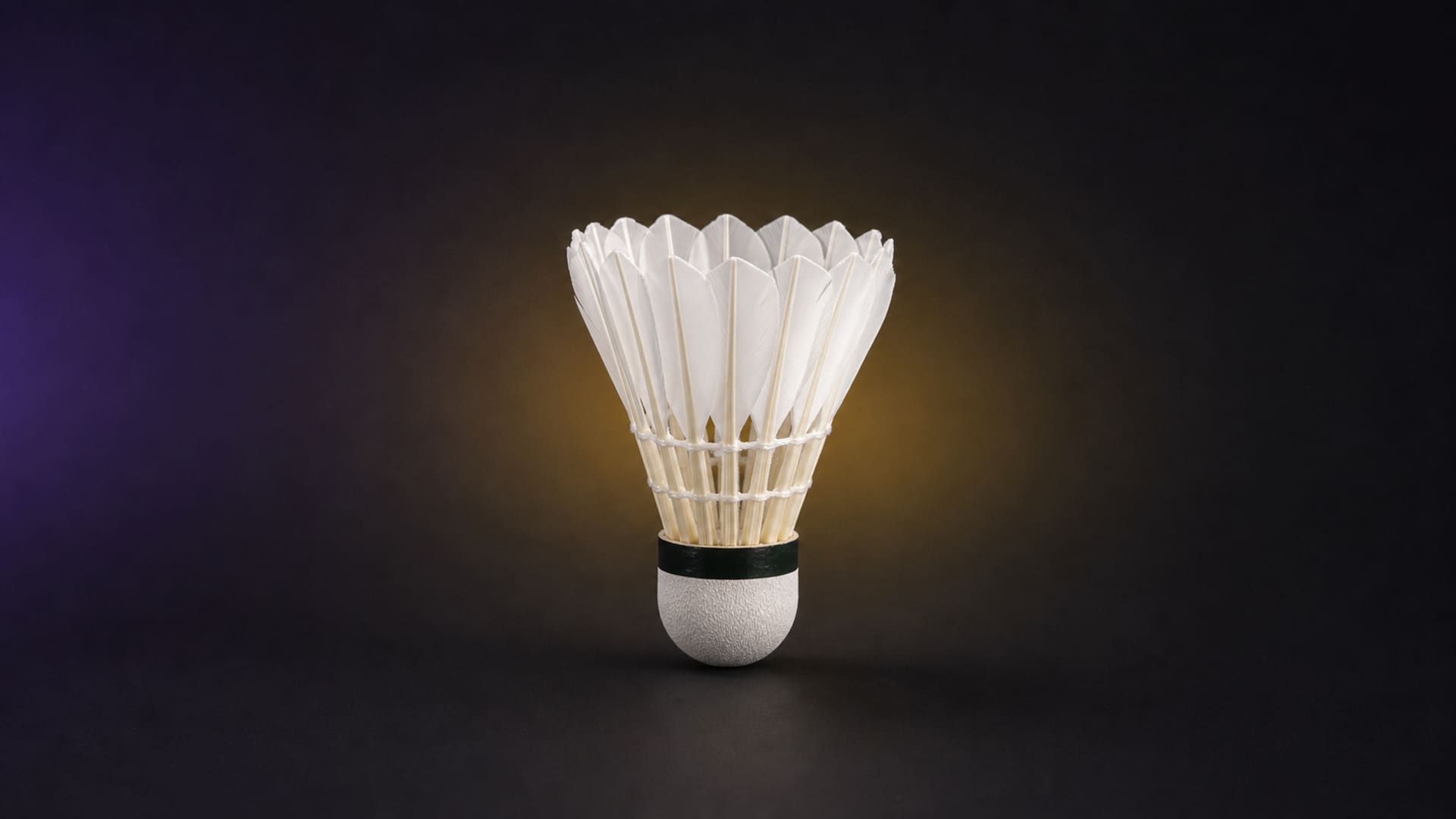
Shuttlecock vs. nickel: ask how much of it is air
Badminton's laws allow a feathered shuttle 4.74 to 5.50 g (0.17 to 0.19 oz), and a US nickel is 5 g (0.18 oz), so the two are effectively equal. Thirty guesses on each gave very different answers: about 7.5 g (0.26 oz) for the nickel and about 24 g (0.85 oz) for the shuttlecock, almost five times too heavy. A nickel is a solid disc 21 mm across. A shuttle's feathers open into a circle 58 to 68 mm wide around mostly empty space.
Across all 25 objects under 100 g (3.5 oz), the median was too heavy 22 times, typically by about half. The three exceptions are telling: an AA battery, a 1-euro coin and a poker chip, all solid little things people have actually held. So before you pick a number, ask how much of the shape is air, and guess the material rather than the outline.
Regulation badminton shuttlecock: 5 g (0.18 oz) US nickel: 5 g (0.18 oz)
Sources: World Badminton , United States Mint
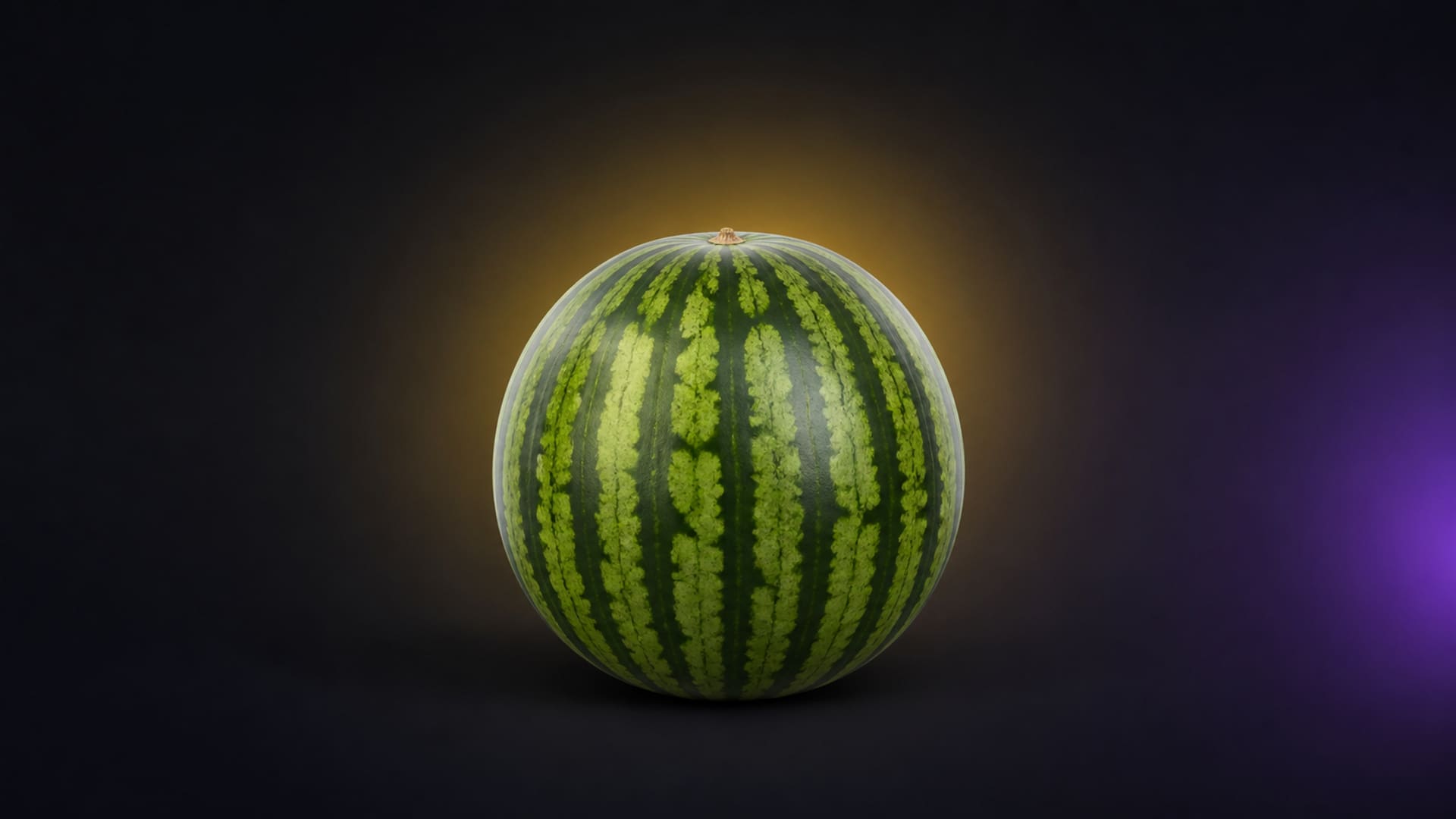
Watermelon vs. koala: count the liters
Watermelon drew 53 guesses and a median of about 3.3 kg (7.3 lb). Our catalog says 9 kg (20 lb), a mid-range figure among varieties that Illinois Extension lists at up to 20 kg (45 lb). Only 2 of the 53 guesses were clearly too high. A koala at 8.5 kg (19 lb) weighs nearly the same, and its median, from 28 guesses, was about 8.4 kg (19 lb). Furry bodies seem easier: cats, raccoons and hamsters also landed within about 10%, although pet rabbits, guessed at almost double, are the awkward exception.
Round fruit is a volume problem, and volume is where intuition gets weak. Chandon and Ordabayeva found that people underestimate growth more when an object grows in all three dimensions than when it grows in one. So do the sum. A ball 20 cm (8 in) across holds about 4.2 liters, at 25 cm (10 in) about 8.2, at 30 cm (12 in) about 14. Watermelon is 92 percent water, and a liter of water weighs about 1 kg (2.2 lb), which players know: 31 of 43 guesses for it fell in the narrow band holding that value. So liters convert almost directly to kilos, and a 25 cm (10 in) melon comes to around 8 kg (18 lb), nearly double the 20 cm (8 in) one though only a quarter wider. Melons aren't perfect balls, so treat this as a sanity check. It would still have beaten the crowd.
Watermelon: 9 kg (20 lb) Koala: 8.5 kg (19 lb)
Sources: University of Illinois Extension , Animal Diversity Web , Journal of Marketing Research , National Bureau of Standards / NIST
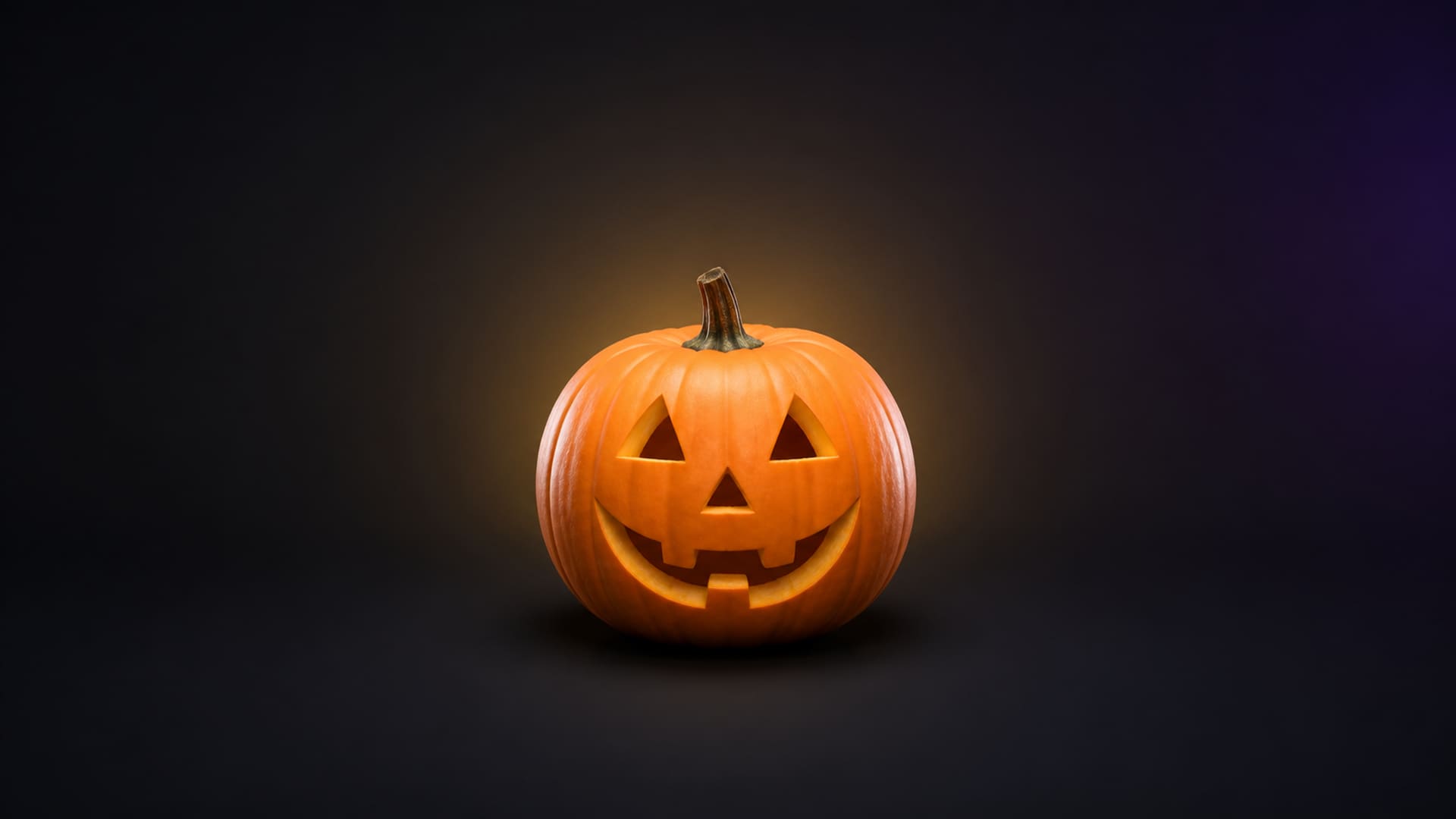
Pumpkin vs. bowling ball: where a contest can be won
A carving pumpkin of 6.5 kg (14 lb) and a bowling ball of 6.8 kg (15 lb) are close to twins. The crowd put the ball at about 6.7 kg (15 lb) from 24 guesses, and the pumpkin at about 3.3 kg (7.3 lb) from 32, roughly half its weight. House bowling balls usually show their weight in pounds, and we suspect that helps. Nobody reads a number off a pumpkin.
If you ever enter a guess-the-weight contest for a pumpkin, this is your edge: 24 of our 32 guesses were too low, so lean up. Size varies a lot. In a University of Maine jack-o'-lantern trial, even the smallest-fruited varieties ranged from 2.3 to 12 kg (5 to 26 lb), and a veteran carver quoted by the University of Virginia calls 5.4 to 9.1 kg (12 to 20 lb) a good average. Start with the ball arithmetic above and knock something off for the hollow middle. If a tape measure is allowed, use it. For giant pumpkins, the Royal Horticultural Society publishes a method: three measurements, added up and read off a table.
Carving pumpkin: 6.5 kg (14 lb) Bowling ball: 6.8 kg (15 lb)
Sources: University of Virginia , University of Maine Cooperative Extension , Royal Horticultural Society , NIST

A liter of gold vs. an Olympic bar: memorize three densities
A 1-liter cube of gold weighs 19.3 kg (43 lb), and a men's Olympic bar weighs 20 kg (44 lb). The crowd nailed the bar with a median of about 21 kg (46 lb) from 46 guesses. For the gold, 28 guesses produced about 5.3 kg (12 lb), 3.6 times too light. Stranger still, a liter of iron at 7.9 kg (17 lb) got a higher median than gold, about 9.4 kg (21 lb) from 22 guesses, although gold is about 2.5 times denser. These are small samples and different pictures, so don't overread it. A standard bank gold bar went the same way: 12.4 kg (27 lb) in reality, about 4.2 kg (9.3 lb) from 54 guesses.
Few people have held much gold, so there is nothing to compare it with, and a small cube looks like a small weight. That's our interpretation. The fix is plain arithmetic: weight is volume times density. Remember three values in kilograms per liter, water at 1, iron at just under 8, gold at just over 19. Then the only question left is how many liters you're looking at.
One liter of gold: 19 kg (43 lb) Olympic barbell (bar only): 20 kg (44 lb)
Sources: Royal Society of Chemistry , Royal Society of Chemistry , International Weightlifting Federation , London Bullion Market Association
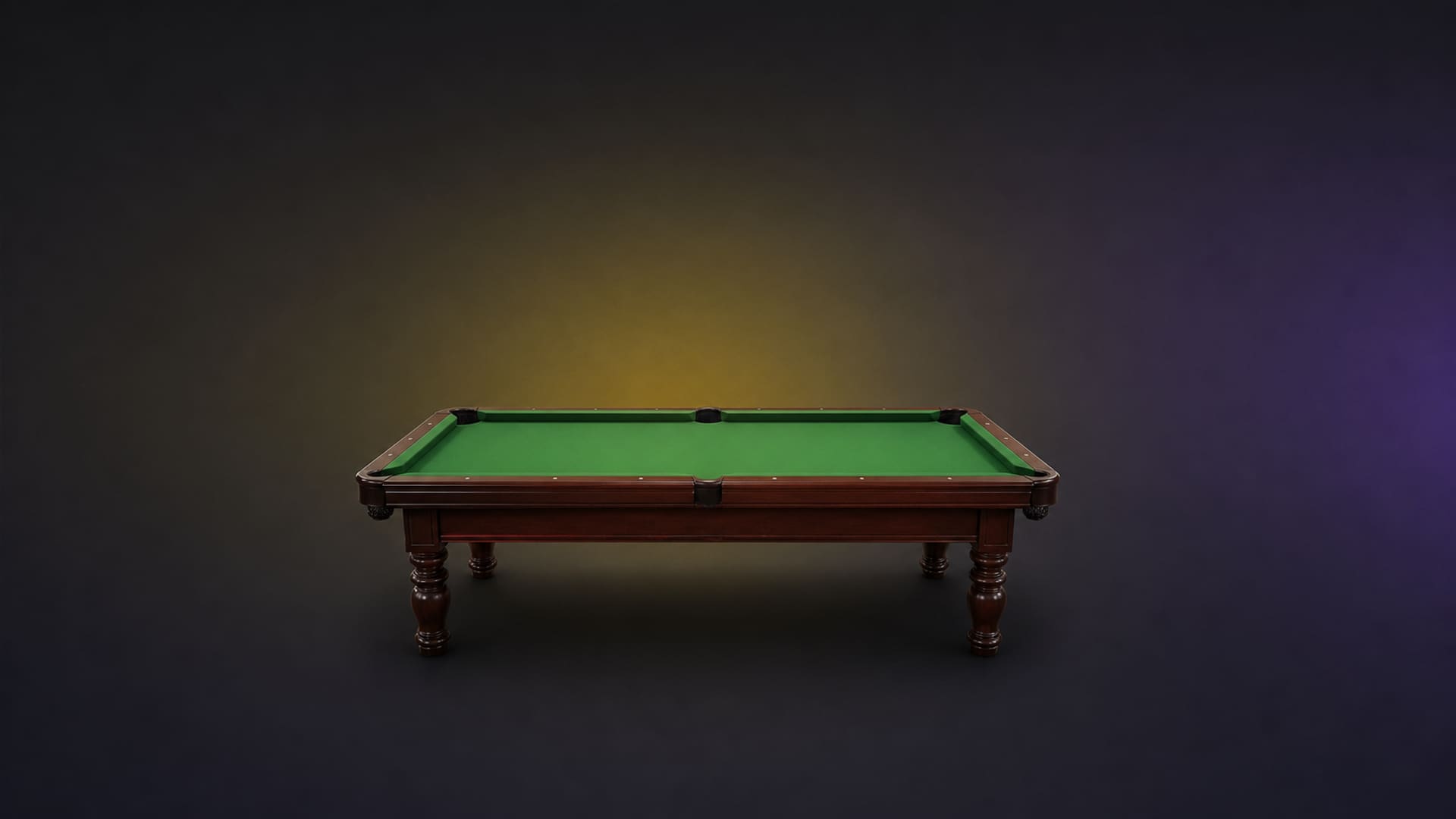
Pool table vs. upright piano: check what's under the cloth
The crowd gave these two the same median, about 170 kg (370 lb), from 37 and 33 guesses. They don't weigh the same. Our catalog has the piano at 220 kg (485 lb), close to the 228 kg (503 lb) Yamaha lists for its U1, and the slate pool table at 320 kg (705 lb). That figure is cautious: A.E. Schmidt Billiards quotes 386 to 544 kg (850 to 1,200 lb) for an 8-foot table. Green cloth hides the reason, a bed of slate that on most American-made tables is an inch thick and adds several hundred pounds compared with a wood surface.
Furniture as a whole was the crowd's most dependable blind spot. Across 17 pieces and 509 guesses, the median was too light 15 times, typically by about 40%. Real furniture varies a lot and our values are representative, so no single piece is a verdict. We did test the obvious fix, adding half to every furniture median: hits within 30% of the true weight went from 7 to 14 of 17. That test flatters the rule, because it uses the data that suggested it. The same trick applied to everything from 10 kg (22 lb) up barely helped, moving hits from 22 to 23 of 50, so save it for furniture.
Slate pool table: 320 kg (705 lb) Upright piano: 220 kg (485 lb) Open direct comparison
Sources: A.E. Schmidt Billiards , Yamaha
Blue whale heart vs. motorcycle: guessing with no reference at all
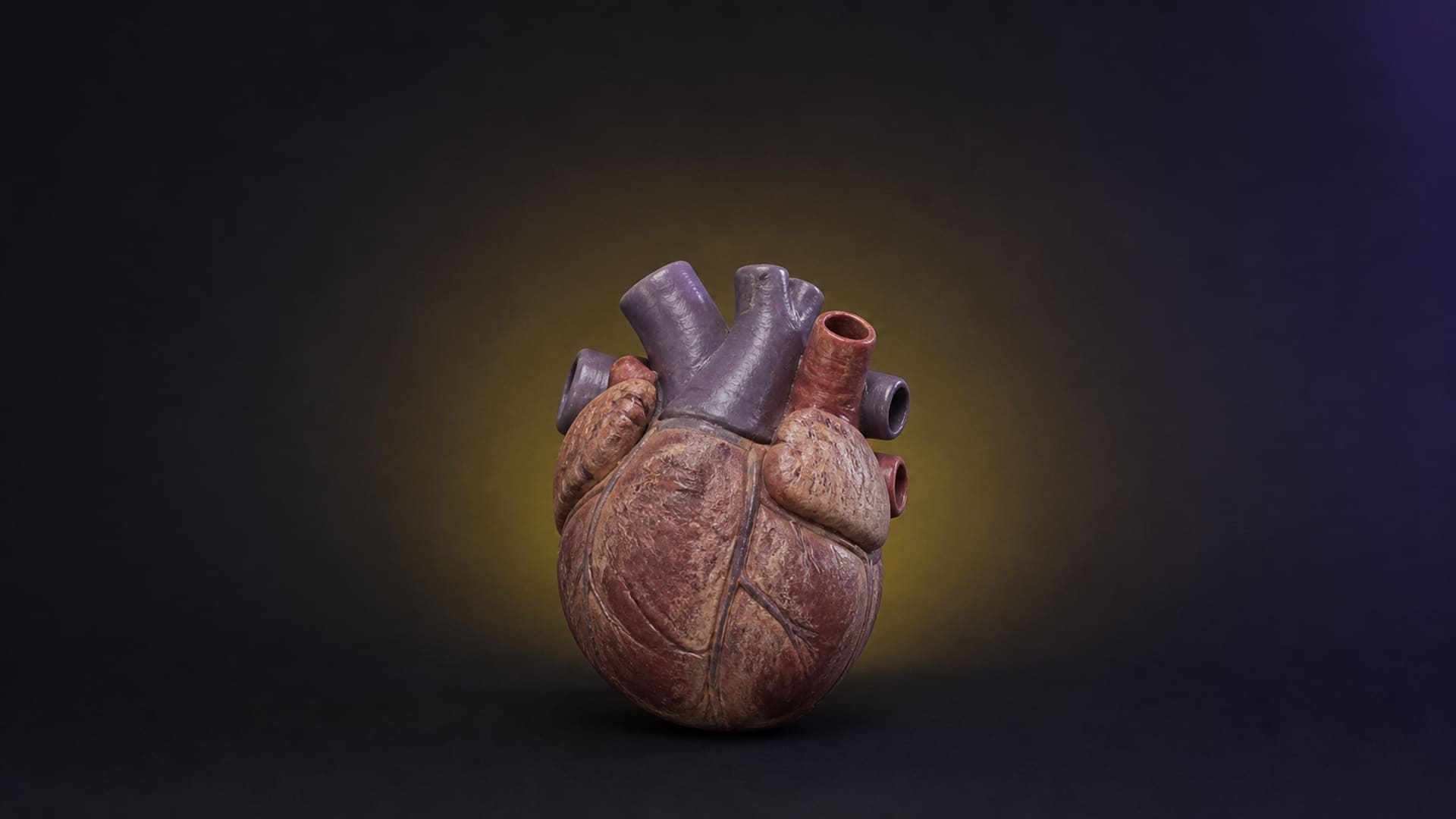
A blue whale heart preserved for display in Toronto weighed about 180 kg (397 lb). The median of 35 guesses was about 30 kg (66 lb), six times too light, and the middle half of those guesses ran from 2.7 kg (5.9 lb) to 106 kg (234 lb), a factor of 40. That spread is the real message: nobody knew. Compare a motorcycle at 200 kg (441 lb) in our catalog; two popular mid-size models list 183 kg (403 lb) and 202.5 kg (446 lb). Its median, from 29 guesses, was about 190 kg (420 lb).
Zoom out and the whole catalog drifts toward the middle: light things guessed too heavy, heavy things too light, with the switch around 1.6 kg (3.5 lb). Psychologists have written about a central tendency of judgment since Hollingworth in 1910, and Petzschner and colleagues explain such biases as weak evidence blended with prior expectation. Those studies didn't involve our game, so applying them here is our interpretation. We also have a suspect of our own: the slider starts at 1 kg (2.2 lb), the middle of its range, and Tversky and Kahneman showed that people adjusting from a starting value often stop too soon. Our data can't separate the two. If you truly have nothing to compare with, assume your first number is timid and move it further from the middle than feels comfortable.
Blue whale heart: 180 kg (397 lb) Motorcycle: 200 kg (441 lb)
Sources: CBC News , Royal Ontario Museum , 1000PS , The Journal of Philosophy, Psychology and Scientific Methods , Trends in Cognitive Sciences , Science
What the comparisons teach us
The most famous guess-the-weight contest took place at a livestock show in Plymouth, England, and Francis Galton wrote it up in Nature in 1907. Entrants paid sixpence to estimate the dressed weight of an ox, and the median of 787 entries was 547 kg (1,207 lb) against a reported 543 kg (1,198 lb). A later look at his worksheets by Kenneth Wallis found small transcription errors and a real gap of about 5 kg (11 lb), which hardly spoils the story. Those entrants included butchers and farmers, some of them expert judges of cattle. In other words, that crowd had references.
Our crowd shows the same pooling effect on a much smaller stage. About 44% of single guesses missed by a factor of two or more, yet only 18% of objects had a median that far off, and the share within 30% rose from about 32% of guesses to 52% of objects. Pooling only removes errors that point in different directions, though. Shared blind spots survive it, which is why 35 guesses didn't rescue the whale heart, and why jar-guessing experiments by Kao and colleagues found that crowd medians tended to fall below the true count.
So here is the method. Look for a twin you know. If there isn't one, estimate liters and multiply by density. Ask what's air and what's hidden. Then guess twice: Vul and Pashler found that averaging two guesses from one person beats a single one, especially with time between them, and a preregistered replication by Steegen and colleagues found the same. How Heavy? won't turn you into a scale, but it does show you after every guess how far off you were, and each miss leaves you with one more object to compare against next time.
Methodology & transparency
The data are How Heavy?'s stored guess counts as of 30 October 2026: 5,835 guesses on 232 objects, one of which has since left the catalog. We analyzed the 163 active objects with at least 20 guesses (4,774 guesses). Guesses come from Daily and Classic games. Daily counts one finished game per device per day; Classic has no such limit, so one person can contribute many guesses and can meet an object more than once. We know nothing about who the players are. Guesses are stored in logarithmic bands about 12% wide rather than as exact values, so each median is the midpoint of a band. We round it to two significant figures, and a factor such as 24 times is approximate. Counts of guesses too high or too low ignore the band containing the true weight, and the within-30% and factor-of-two shares use band midpoints.
True weight here means our catalog value. For specified items that is a specification; for averages such as a bat, a pool table or a pumpkin it is a representative anchor inside a wide real range. Players see a photo and a name with no scale, and answer on a logarithmic slider that runs from 1 g (0.04 oz) to 1 t (1.1 tons) and starts at 1 kg (2.2 lb); they can also type a value. That floor and ceiling limit misses at the extremes: a paperclip of 1 g (0.04 oz) can only be overestimated. The starting point may pull guesses toward the middle, and we can't measure by how much. The switch point of about 1.6 kg (3.5 lb) comes from a straight-line fit to the medians on logarithmic scales, and the correction tests ran on the same data that suggested them. Explanations of why players erred are our interpretation unless a study is named, and none of the cited studies tested this game.
Last updated:
Sources
- Noctule — Bat Conservation Trust
- Chiroptera (bats) — Animal Diversity Web
- Energizer E91 AA product datasheet — Energizer
- Law 2 — The Ball — The IFAB
- Labrador Retriever Dog Breed Information — American Kennel Club
- Archilochus colubris (ruby-throated hummingbird) — Animal Diversity Web
- House Sparrow Identification — Cornell Lab of Ornithology
- Laws of Badminton (Law 2: Shuttle) — World Badminton
- Nickel — United States Mint
- Seedless watermelon: where science and summer sweetness meet — University of Illinois Extension
- Phascolarctos cinereus (koala) — Animal Diversity Web
- Supersize in One Dimension, Downsize in Three Dimensions: Effects of Spatial Dimensionality on Size Perceptions and Preferences — Journal of Marketing Research
- Density of water (Journal of Research, vol. 48) — National Bureau of Standards / NIST
- Pumpkin-Carving Tips From Master Carver Ed Morton — University of Virginia
- Jack O'Lantern Pumpkin Evaluations: 2024 Research Report — University of Maine Cooperative Extension
- Estimating the weight of a giant pumpkin — Royal Horticultural Society
- NIST Guide to the SI, Appendix B.9: Factors for units listed by kind of quantity — NIST
- Gold: element information — Royal Society of Chemistry
- Iron: element information — Royal Society of Chemistry
- Weightlifting equipment — International Weightlifting Federation
- Good Delivery Rules — Technical Specifications — London Bullion Market Association
- How Much Does a Pool Table Weigh — A.E. Schmidt Billiards
- U Series upright pianos: specifications — Yamaha
- Heart of blue whale beached in Rocky Harbour being dissected, preserved — CBC News
- Blue Whale Heart Arrives at the ROM — Royal Ontario Museum
- Honda CB650R 2023 vs. Yamaha MT-07 2026: specifications — 1000PS
- The Central Tendency of Judgment — The Journal of Philosophy, Psychology and Scientific Methods
- A Bayesian perspective on magnitude estimation — Trends in Cognitive Sciences
- Judgment under Uncertainty: Heuristics and Biases — Science
- Vox Populi — Nature
- Revisiting Francis Galton's Forecasting Competition — Statistical Science
- Counteracting estimation bias and social influence to improve the wisdom of crowds — Journal of the Royal Society Interface
- Measuring the Crowd Within — Psychological Science
- Measuring the crowd within again: a pre-registered replication study — Frontiers in Psychology