
Data story
How much do animals weigh? 8 surprising animal weights, compared
From a hummingbird to a newborn elephant: eight sourced animal weight ranges translated into familiar, genuinely surprising comparisons.

Animal weights are hard to picture because the numbers span several orders of magnitude. A few grams and 100 kilograms (220 lb) both become abstract quickly. Familiar objects make that scale tangible — and expose where visual intuition fails.
The figures below are representative anchors, not universal constants. Species, sex, region, age and even season can change an animal's mass. We therefore show the source range as well as the rounded value used in the How Heavy? catalog, then compare that value with another catalog object.
| Object | Catalog anchor | Compared with |
|---|---|---|
| Hummingbird | 3 g (0.11 oz) | US penny · 2.5 g (0.09 oz) |
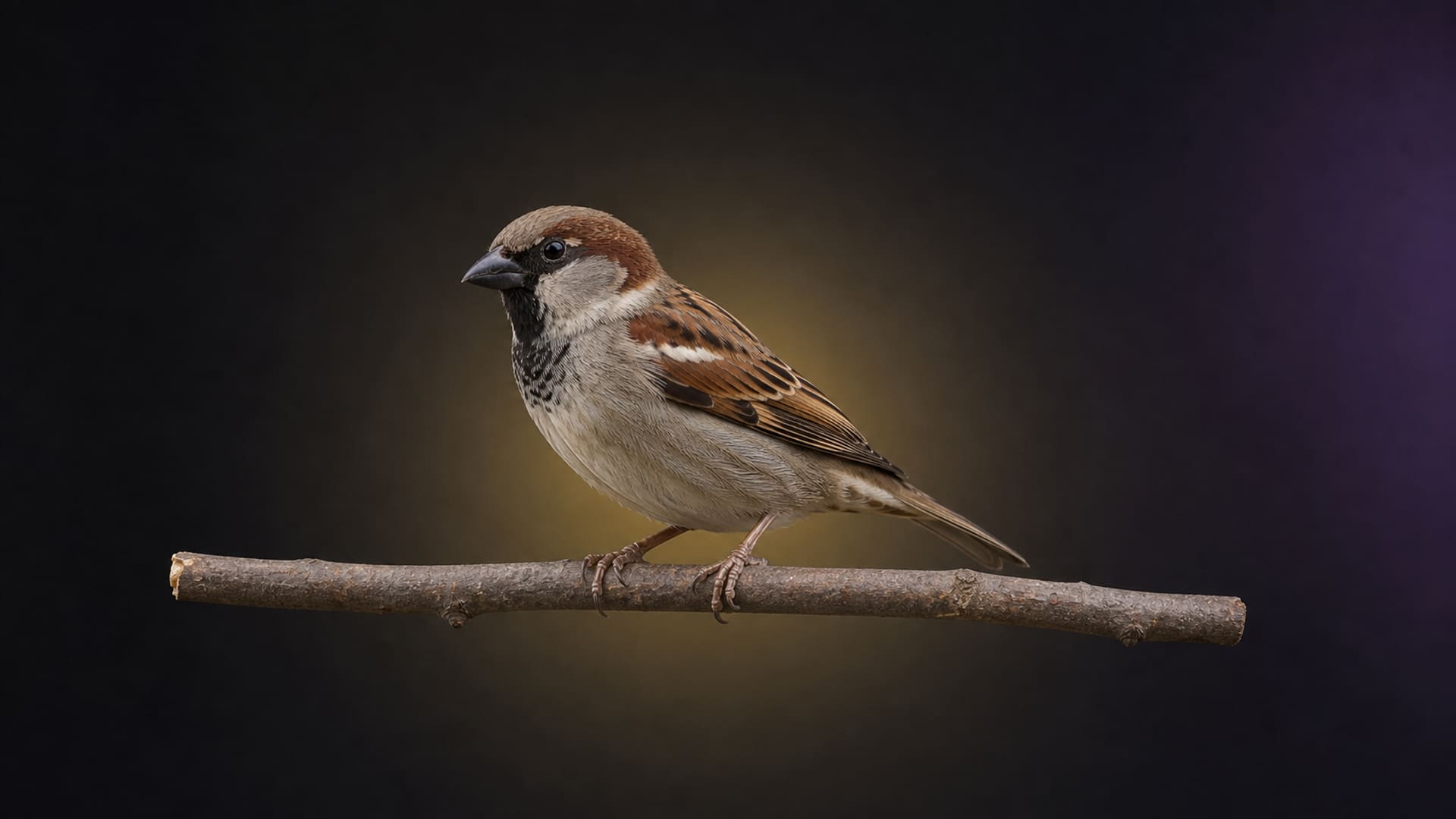
| House sparrow | 30 g (1.1 oz) | Alkaline AA battery · 23 g (0.81 oz) |
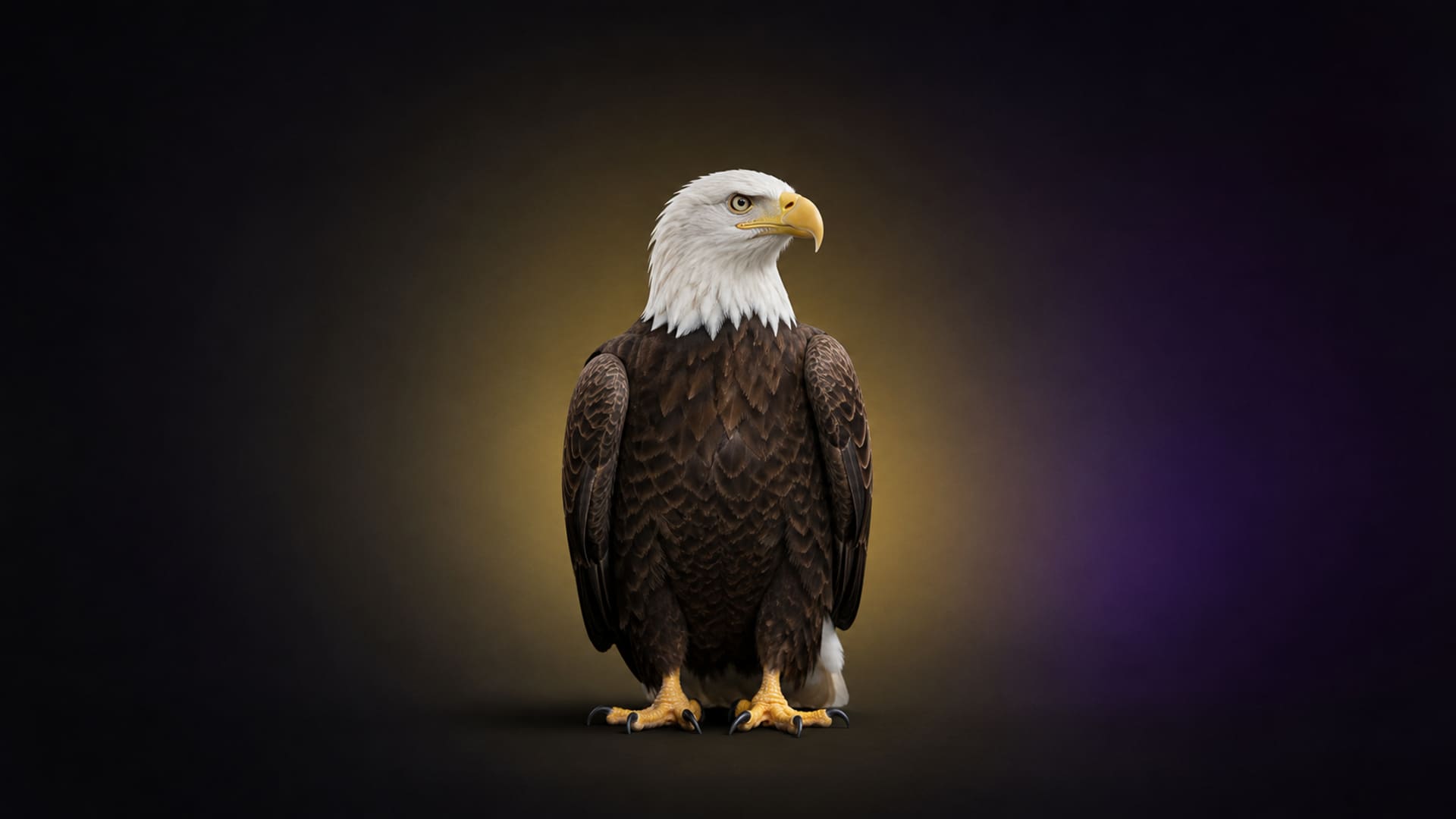
| Bald eagle | 4.7 kg (10 lb) | House cat · 4.5 kg (9.9 lb) |
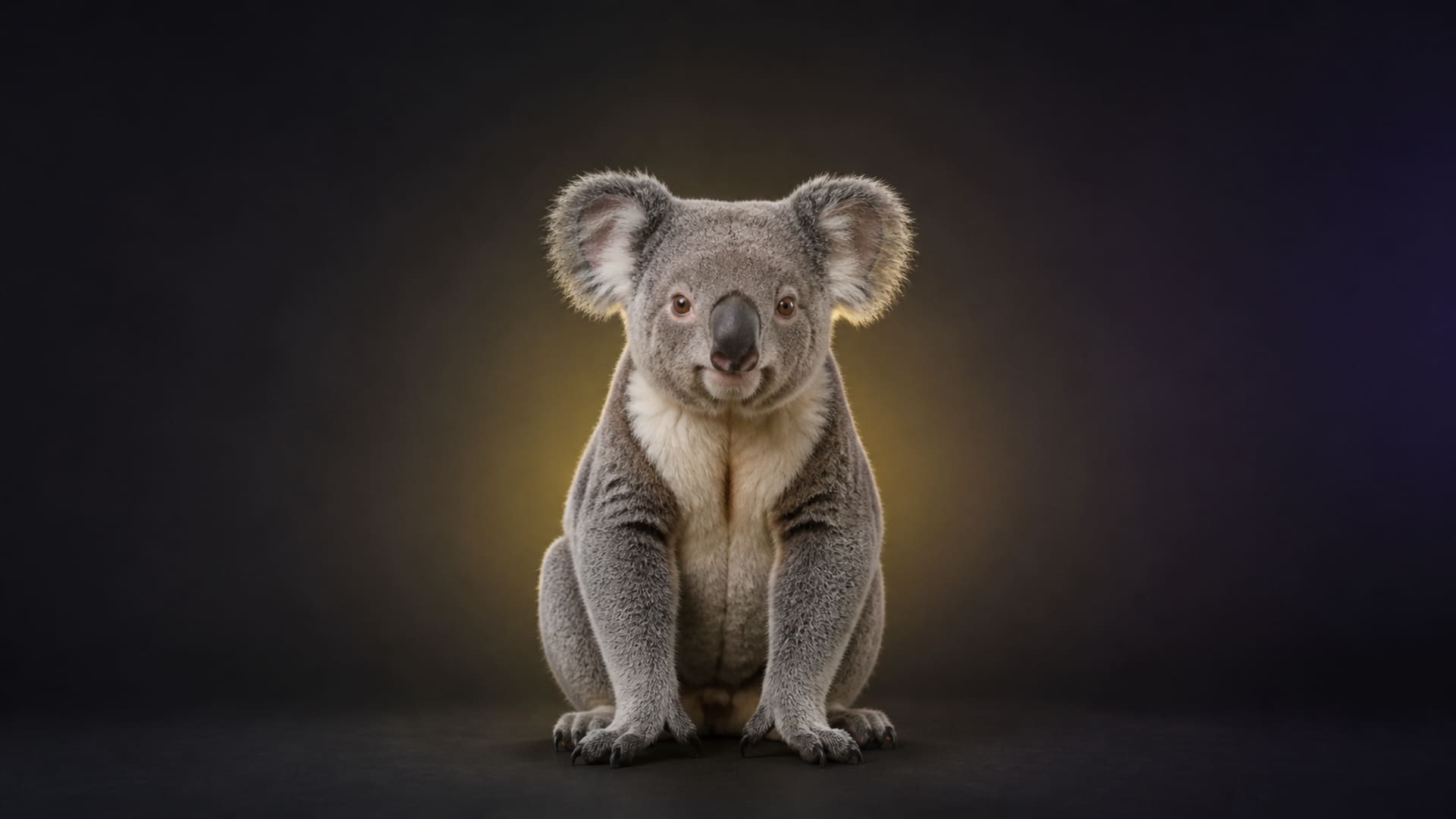
| Koala | 8.5 kg (19 lb) | Watermelon · 9 kg (20 lb) |
| Labrador retriever | 30 kg (66 lb) | Emperor penguin · 29 kg (63 lb) |
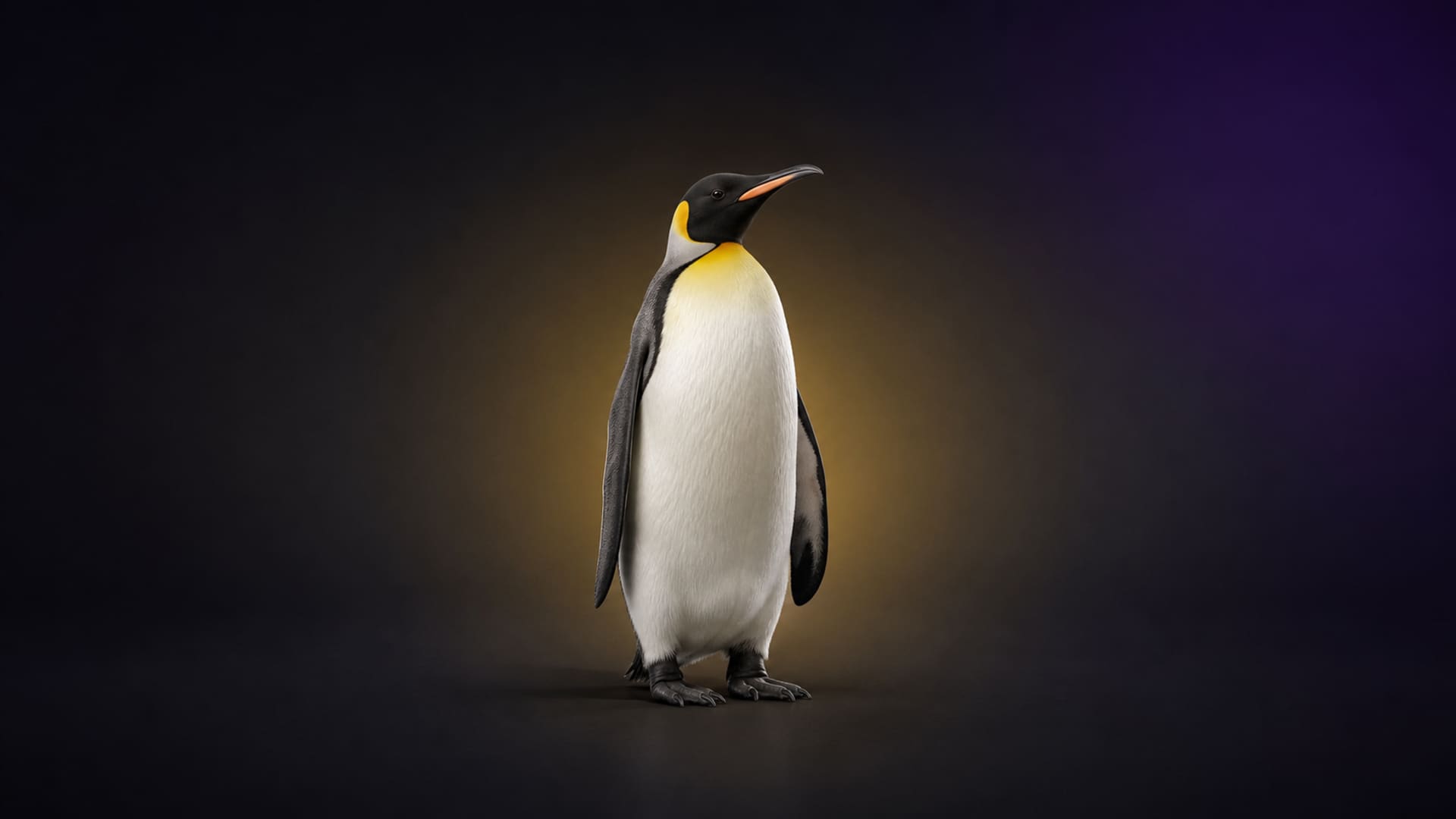
| Emperor penguin | 29 kg (63 lb) | — |
| Ostrich | 115 kg (254 lb) | Newborn elephant · 100 kg (220 lb) |
| Newborn elephant | 100 kg (220 lb) | Adult human · 62 kg (137 lb) |
1. Hummingbird: barely heavier than a US penny
A ruby-throated hummingbird weighs roughly 3.4 to 3.8 grams (0.12–0.13 oz). Our rounded 3-gram (0.11 oz) game value is only half a gram (0.02 oz) above the US Mint's 2.5-gram (0.09 oz) penny specification. The useful lesson is precision: 'hummingbird' covers many species, so this comparison describes a small species rather than every hummingbird.
Hummingbird: 3 g (0.11 oz) US penny: 2.5 g (0.09 oz)
Sources: Animal Diversity Web, University of Michigan , United States Mint
2. House sparrow: one AA battery, plus 7 grams (0.25 oz)
Cornell gives 27 to 30 grams (0.95–1.06 oz) for a house sparrow. At our 30-gram (1.06 oz) anchor, the bird is only 7 grams (0.25 oz) heavier than a typical 23-gram (0.81 oz) alkaline AA battery — less than two teaspoons of water. Feathers create volume without adding much mass, which is why the bird looks heavier than the battery.
House sparrow: 30 g (1.1 oz) Alkaline AA battery: 23 g (0.81 oz)
Sources: Cornell Lab of Ornithology , Energizer
3. Bald eagle: almost exactly one house cat
Bald eagles range from about 3 to 6.3 kilograms (6.6–13.9 lb). Our 4.7-kilogram (10.4 lb) anchor is just 200 grams (7.1 oz) above the catalog's 4.5-kilogram (9.9 lb) house cat — a difference of roughly 4 percent. A two-meter wingspan signals size, but much of that visible span is wing surface and feathers rather than body mass.
Bald eagle: 4.7 kg (10 lb) House cat: 4.5 kg (9.9 lb) Open direct comparison
Sources: Cornell Lab of Ornithology , Blue Cross
4. Koala: roughly one large watermelon
Koala mass varies dramatically by region and sex: published averages run from 5.1 kilograms (11.2 lb) for northern females to 11.8 kilograms (26 lb) for southern males. The 8.5-kilogram (18.7 lb) catalog anchor sits near the middle and is only half a kilogram (1.1 lb) lighter than our 9-kilogram (19.8 lb) watermelon. This is a case where showing the range is more honest than pretending the average is exact.
Koala: 8.5 kg (19 lb) Watermelon: 9 kg (20 lb)
Sources: Animal Diversity Web, University of Michigan , Oregon State University Extension Service

5. Labrador retriever: close to an emperor penguin
The American Kennel Club's breed range is 25 to 36 kilograms (55–80 lb). Our 30-kilogram (66 lb) Labrador is therefore only 1.5 kilograms (3.3 lb) heavier than the 28.5-kilogram (62.8 lb) emperor-penguin anchor. The two animals have completely different shapes, yet their representative masses differ by just 5 percent.
Labrador retriever: 30 kg (66 lb) Emperor penguin: 29 kg (63 lb)
Sources: American Kennel Club , Australian Antarctic Program
6. Emperor penguin: its season matters as much as its size
During part of the breeding cycle, adult emperor penguins weigh roughly 22 to 30 kilograms (48.5–66.1 lb); at the start of the breeding season they can reach 40 kilograms (88.2 lb). That 18-kilogram (39.7 lb) span is about 82 percent of the lower value. Our 28.5-kilogram (62.8 lb) anchor is useful for play, but the biological reality moves because fasting and stored fat are part of the bird's annual cycle.
Emperor penguin: 29 kg (63 lb)
Sources: Australian Antarctic Program , Australian Antarctic Program
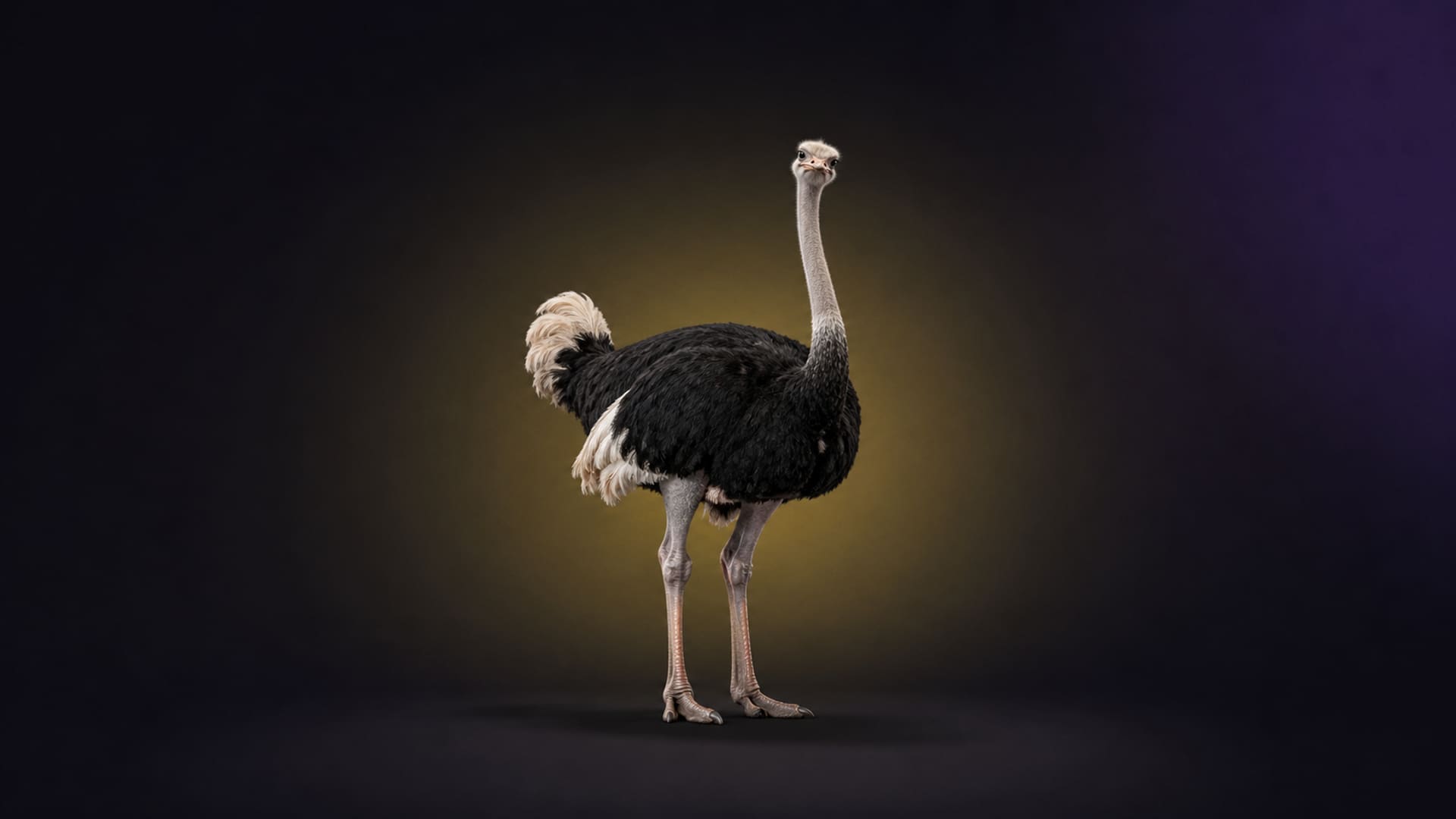
7. Ostrich: heavier than some newborn elephants
Smithsonian gives 90 to 136 kilograms (198–300 lb) for an adult ostrich. At our 115-kilogram (254 lb) midpoint, the world's heaviest living bird is 15 kilograms (33 lb) heavier than the catalog's 100-kilogram (220 lb) newborn-elephant anchor. This comparison works because it pits the upper end of bird anatomy against the very beginning of a giant mammal's life.
Ostrich: 115 kg (254 lb) Newborn elephant: 100 kg (220 lb)
Sources: Smithsonian's National Zoo , Smithsonian's National Zoo
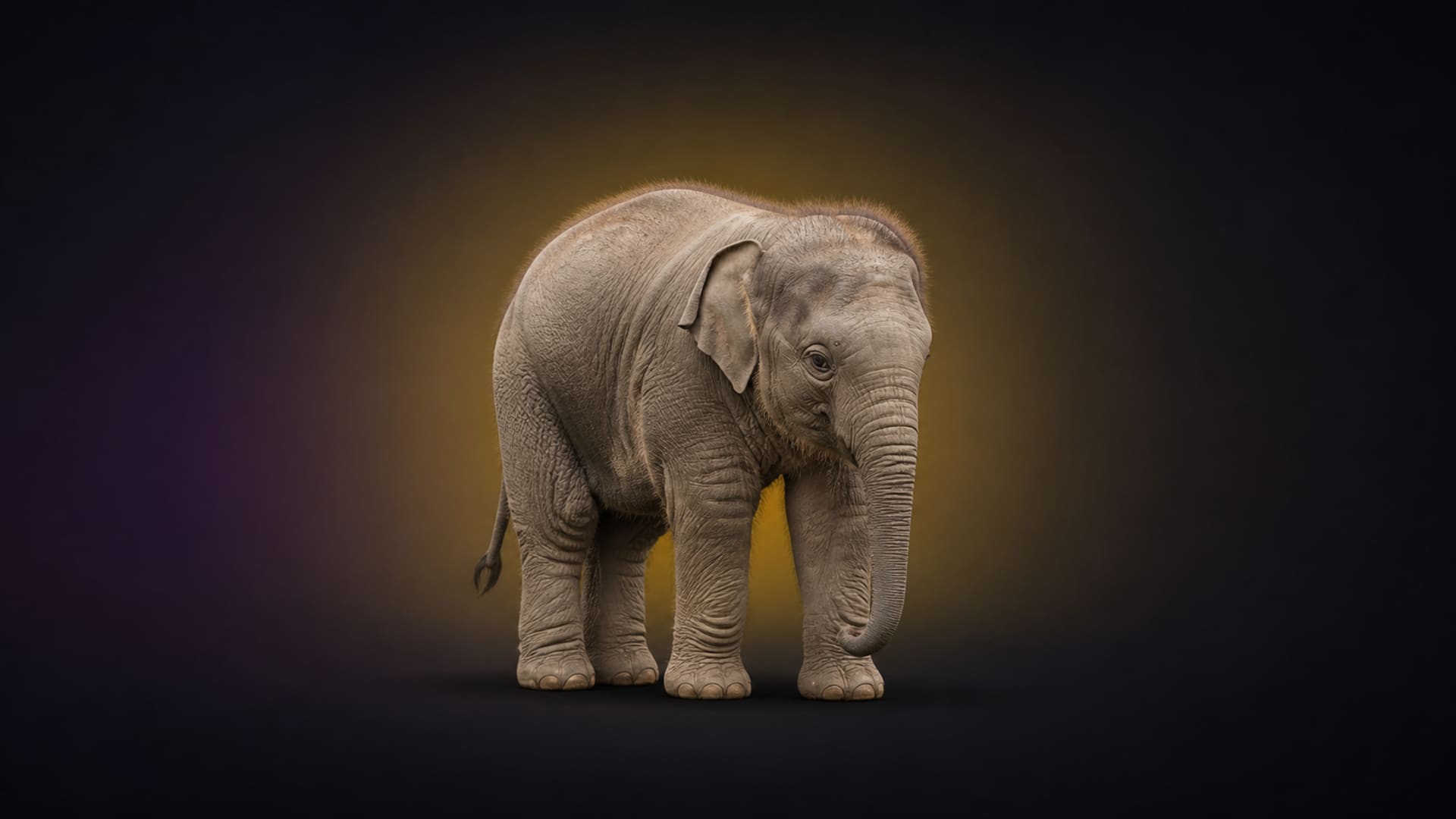
8. Newborn elephant: already heavier than the global adult average
Newborn Asian elephants can weigh about 68 to 158 kilograms (150–348 lb), so the catalog's round 100-kilogram (220 lb) value belongs inside a very wide real-world range. A global analysis estimated mean adult human mass at 62 kilograms (137 lb): our calf anchor is about 1.6 times that. Even the low end of the elephant range is above that global human reference.
Newborn elephant: 100 kg (220 lb) Adult human: 62 kg (137 lb)
Sources: Smithsonian's National Zoo , BMC Public Health
What the comparisons teach us
The most useful pattern is not that one animal is 'surprisingly heavy' or 'surprisingly light.' It is that volume, feathers, fur and familiar silhouettes are poor proxies for mass. Ranges also matter: the closer two animals are, the less honest a universal winner becomes. Use the values as mental anchors, then test whether those anchors survive the game.
Methodology & transparency
We selected eight animals that create a useful scale from grams to hundreds of kilograms and have accessible institutional or specialist sources. Source ranges were converted to metric where necessary; catalog comparisons use the stored representative values, not the extreme ends of a range.
Percentages and differences were recalculated from the catalog on 13 July 2026. Animal mass varies in the real world, so these figures are educational estimates rather than veterinary or scientific measurements of a particular individual.
Last updated:
Sources
- Archilochus colubris (ruby-throated hummingbird) — Animal Diversity Web, University of Michigan
- Penny specifications — United States Mint
- House Sparrow Identification — Cornell Lab of Ornithology
- Energizer E91 AA product datasheet — Energizer
- Bald Eagle Identification — Cornell Lab of Ornithology
- Cat weight advice — Blue Cross
- Phascolarctos cinereus (koala) — Animal Diversity Web, University of Michigan
- Watermelon types and weights — Oregon State University Extension Service
- Labrador Retriever Dog Breed Information — American Kennel Club
- Emperor penguin — Australian Antarctic Program
- Emperor penguin breeding cycle — Australian Antarctic Program
- Ostrich — Smithsonian's National Zoo
- Asian elephant FAQs — Smithsonian's National Zoo
- The weight of nations: an estimation of adult human biomass — BMC Public Health